7 Common Furniture Placement Errors Ruining Your Space

More than purchasing furniture to achieve a cozy home takes time. The way you have your furniture set out can either make or break the ambience of your space. Placement mistakes abound among the general public, which accidentally creates smaller, less welcome, or downright awkward rooms. But don’t fret — correcting these mistakes is more automatic than you imagine. Time to explore seven mistakes people make when placing furniture and possible solutions for each.
1. Pushing All Furniture Against the Walls
A common error that people make is to push every item of furniture right up to the walls. Even though it seems to open the room in the middle, the result is a highly unbalancing and uninviting space.
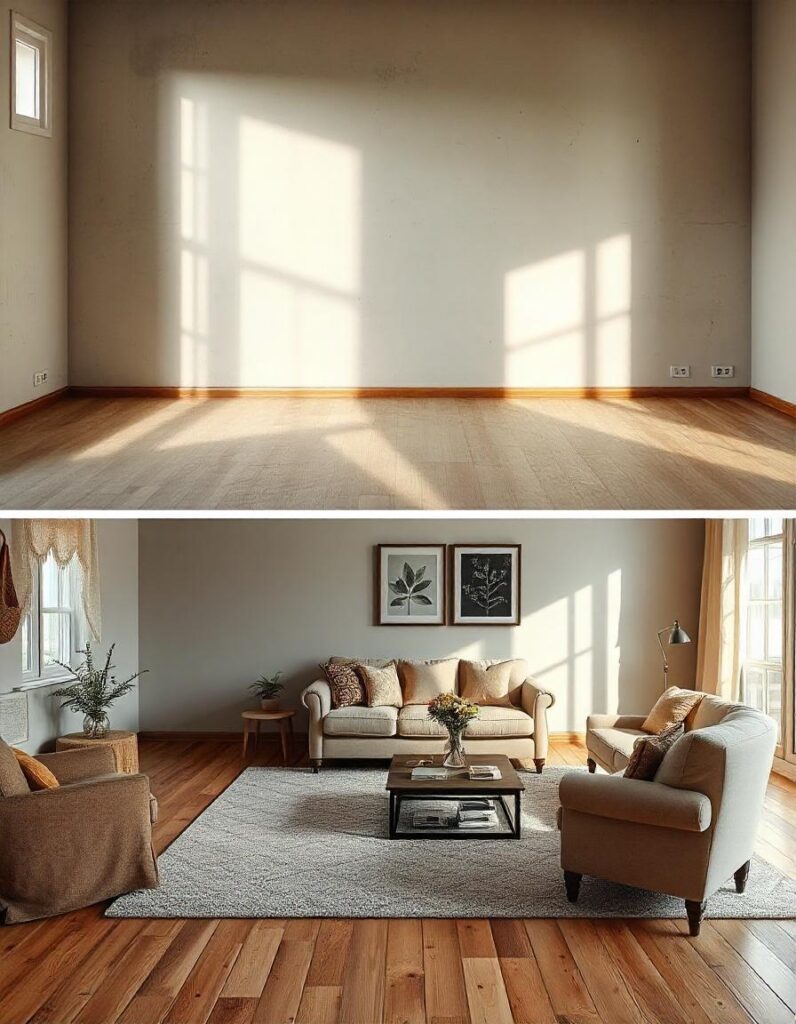
Instead, pull your furniture a few inches away from the walls. For instance, if you push your sofa a few inches from the wall, the living space can be more comfortable. In a big living room, one can make conversation areas grouping furniture at the core. This trick creates volume in the space and allows it to feel more alive.
2. Blocking Natural Light
Natural light brightens a room and makes it feel airier, yet so many people place pieces of furniture in front of windows thus blocking the incoming natural light. It may be easy to block light with a couch or a large bookshelf in front of the window, but that will only make your room appear darker and smaller.
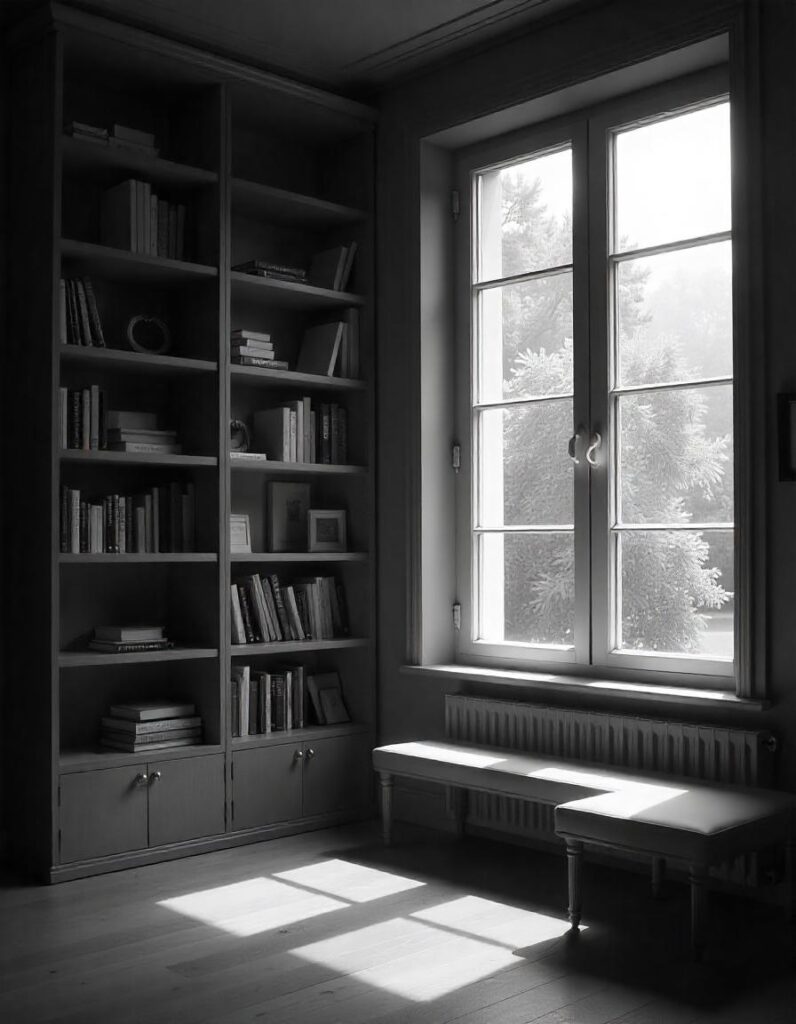
This can be remedied by not placing large, bulky furniture right in front of windows. Should you feel the need to put something there, opt for low-profile items such as a bench or a slim table. This enables the light to be let in and maintains your space fresh and light.
3. Ignoring Flow and Walkways
Furniture placement should enable free movement from one part of the room to another. Having your furniture arranged in a way that creates blockades will make your space feel small and uncomfortable. This is especially true for smaller rooms where each inch is a premium.
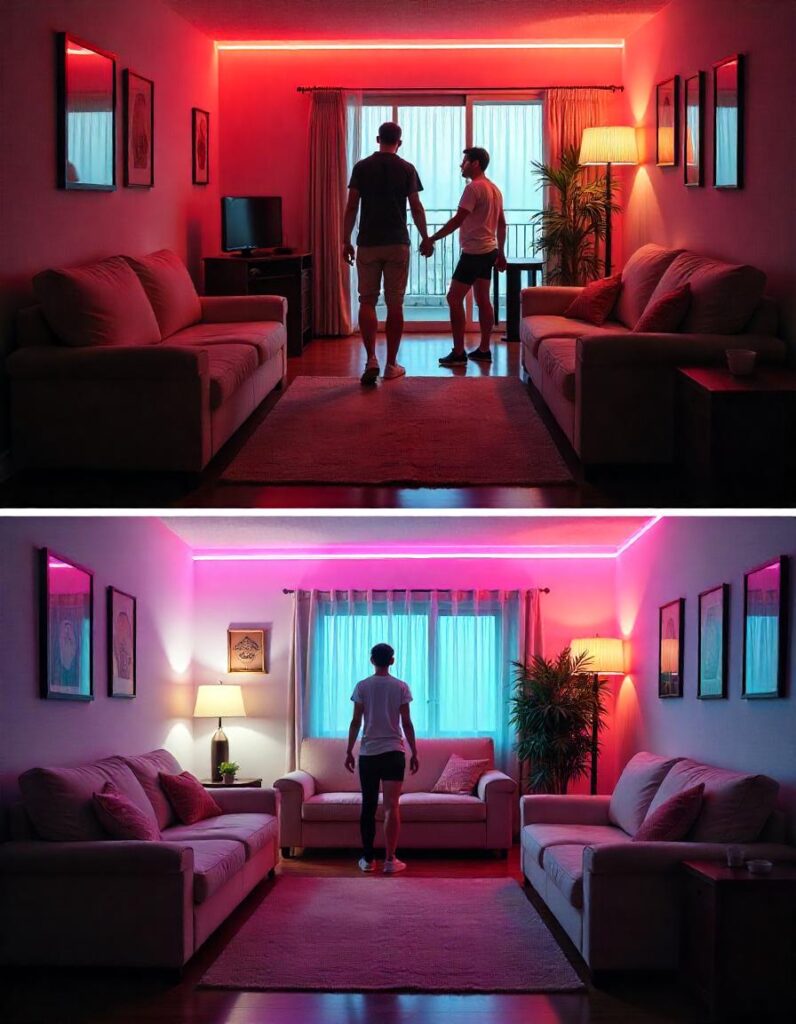
Think about how people are going to walk through, step back. Keep major walkways open with a minimum of 2-3′ of clear space. For instance, be sure that you have room to move around the coffee table, without having to bump into it. When you create clear passageways by rearranging pieces, your room will instantly feel more functional.
4. Using the Wrong Size Rug
Rugs can bring warmth and cohesion to a room, but one of the most common mistakes is using one of the wrong dimension. Too small makes furniture seem disconnected; too big overpowers a space.
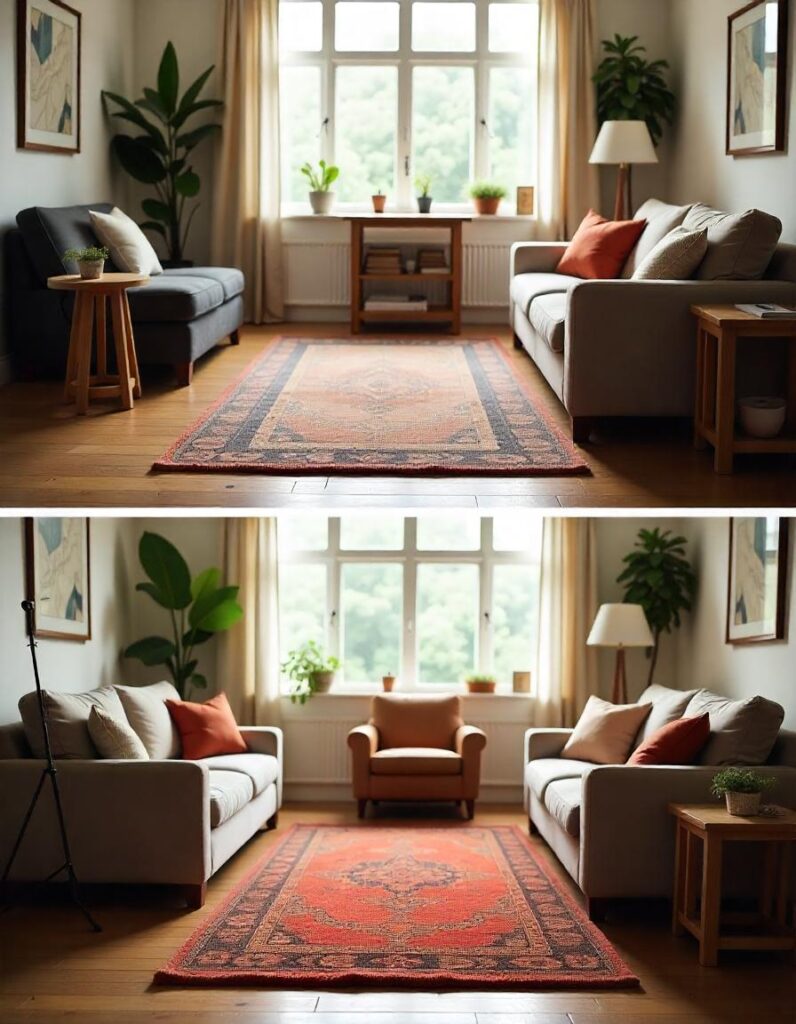
To avoid this faux pas, opt for a rug that has a scale appropriate for your furniture. For a living room, the rug should be large enough that the front legs of your sofa and chairs sit on top of it. This provides cohesion and adds balance to the space. In dining rooms, at least the size of the table, the rug should fit the dining table and chairs pulled out.
5. Overcrowding the Space
More furniture might seem like a better room, but too much clutter can make your room feel cramped and stuffy. Not only do too many pieces give you little room to breathe, it can find a way into making it hard to sit in the room.
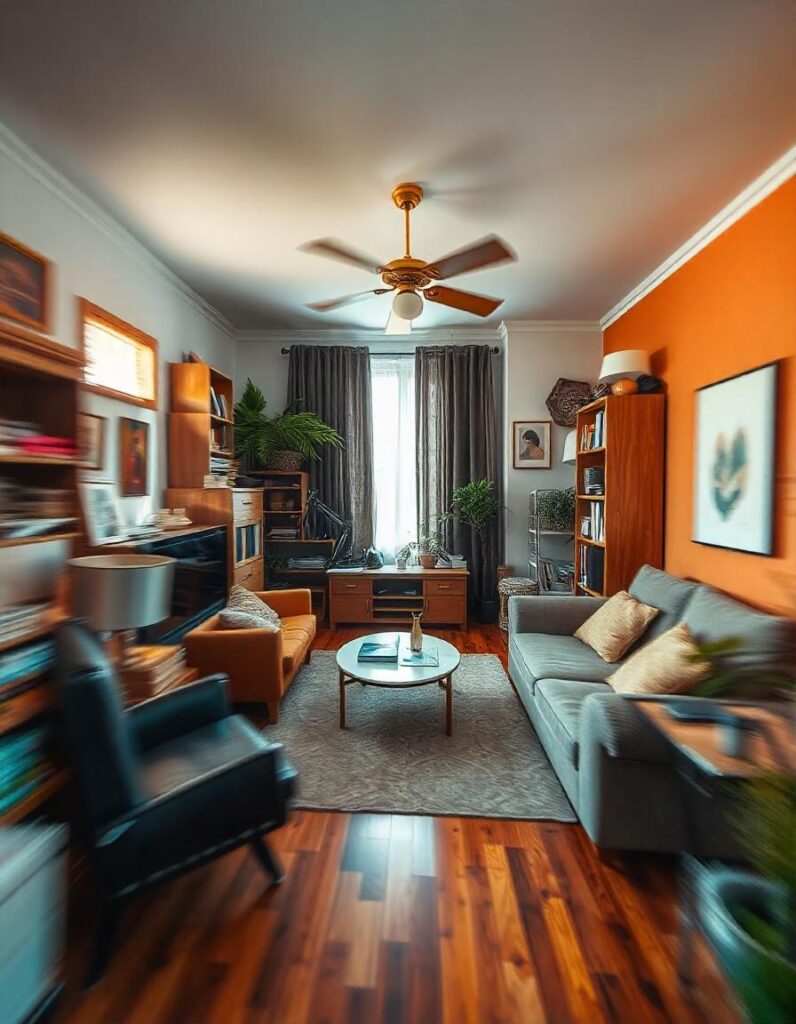
In the niche, 80% need to consider 20% providing only Quality service not quantity. Select these few pieces that you love and that are functional. You can replace a handful of small chairs with a single armchair that steals the show without taking much space. Keep in mind that less is more when it comes to furniture.
6. Forgetting Scale and Proportion
Just because a piece of furniture is available does not mean it will work in a specific room. In a small living room, a gigantic sectional sofa would take over, while miniature chairs can disappear in a large room. The trick to making your furniture arrangement visually appear correct is having the right scale and proportion.
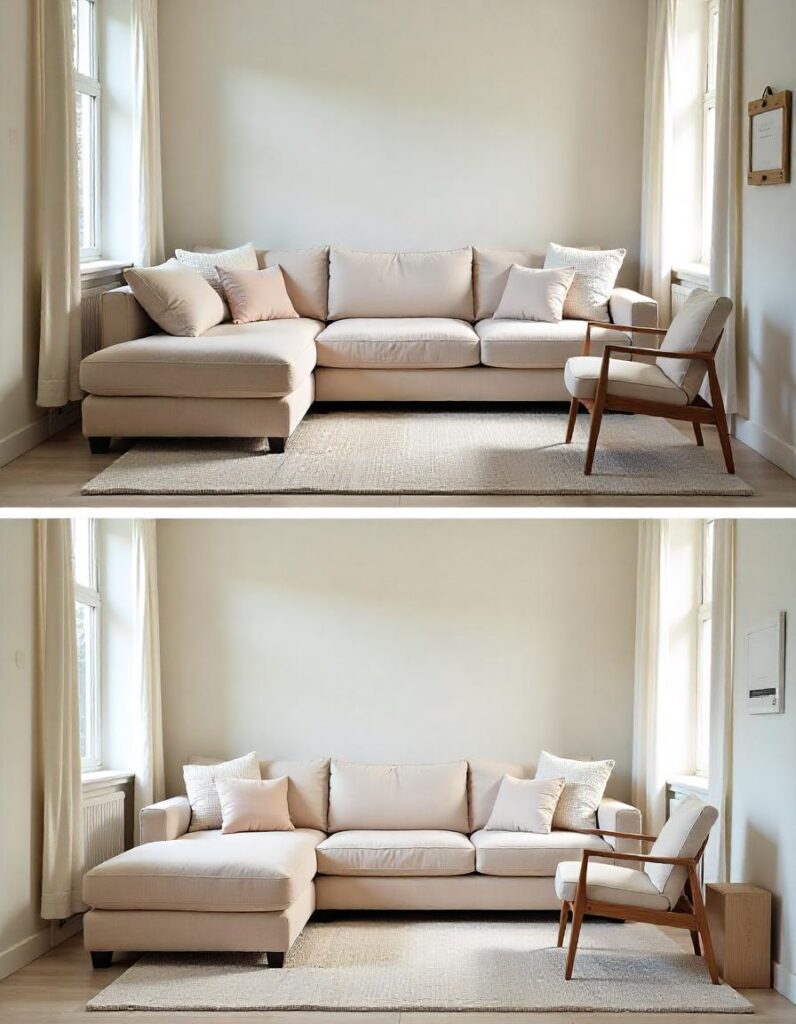
Scale your furniture to the room. Stick with smaller profile, more minimal furniture for small rooms such as a loveseat or we love nesting tables in smaller spaces. When you are in larger rooms, be brave and use larger items, such as big coffee tables and wide seats. Be sure to measure your space first before purchasing your furniture to make sure it is going to be the right fit.
7. Neglecting a Focal Point
In every design, each room requires an anchor, and this anchor could be the centre piece for the design. It could be a fireplace, a big window, or a tv. You often see furniture being placed randomly not caring where the focal point of the room should be. This can lead the space to feel cluttered or incomplete.
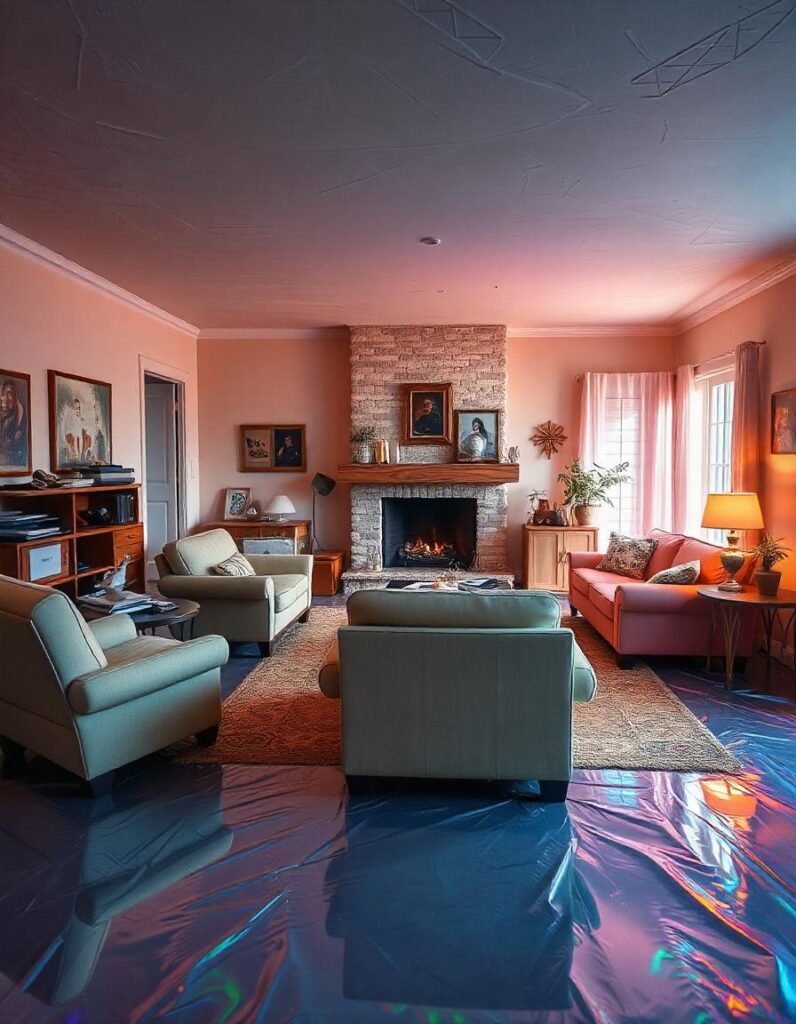
Choose a centrepiece around which to place your furniture around. So for example, if there is a fireplace in a living room, then set the arrangement of the sofa and chairs in such a way that they are facing the fireplace ambiance. If the television is the focal point, arrange seating so that everyone can see. An anchor gives connection to the space and lends to a more inviting atmosphere.
How to Avoid These Mistakes
Now that we discussed what the errors are, here is how to solve or prevent them. First, draw a rough map of your room on a notepad or on a planner online. Consider the traffic, where you want your eyes to go, and the scale of your pieces.
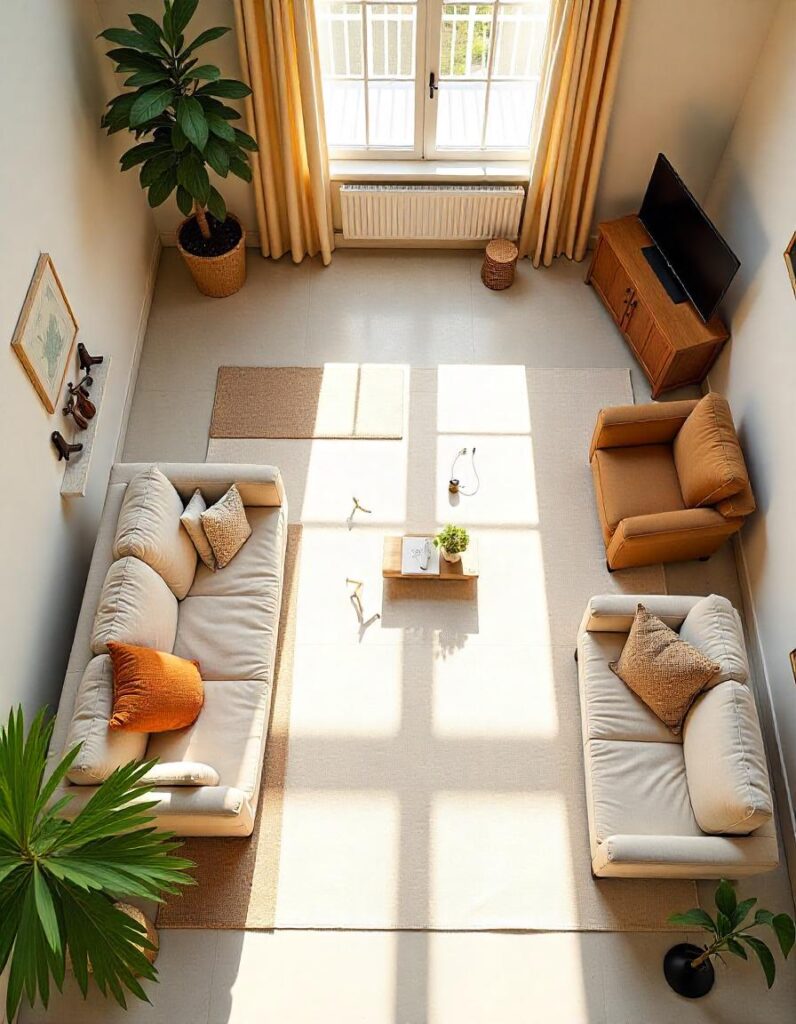
Experiment with your furniture layout to see what feels good. Feel free to put out some experimental effort. All of which you probably knew already, but you may be surprised at how much the simple act of doing a little to better your space can be worthwhile.
Final Thoughts
Placing furniture may seem challenging but it is all about balance and functionality after all. Avoiding these seven errors will make it possible to design a space that is airy, warm, and chic. Keep in mind an organized area not only looks the part—it aids in creating a more comfortable home.

Consider your space, tweak it, and relish in the change. With the right furniture layout, your house will feel so, so much better, and you’ll love it!