
1 lemon is all that’s needed to revive an orchid. Here’s how it works
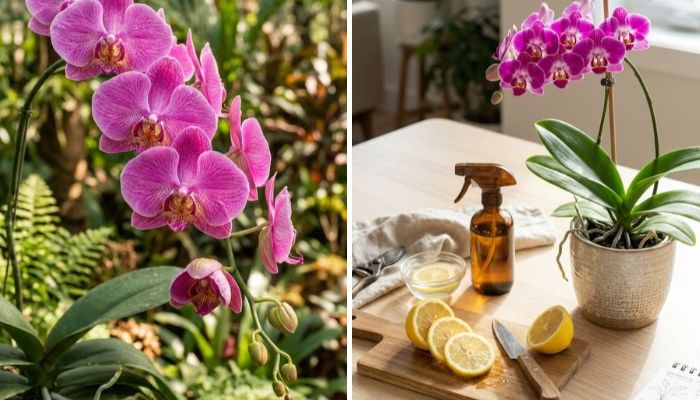
Orchids are beautiful plants that can brighten up any home. Their colorful flowers and elegant leaves make them a favorite among plant lovers. However, keeping an orchid healthy is not always easy, especially if you are new to indoor gardening.
Sometimes, orchids develop yellow leaves, weak roots, or stop producing flowers. These problems can happen for several reasons, including overwatering, poor lighting, or unsuitable growing conditions.
You may have heard that lemon can help revive a struggling orchid. Lemon juice is naturally acidic, but it is important to use it carefully. Adding lemon directly to an orchid’s roots or potting mix can cause damage if the amount is too high.
Before trying any home remedy, it is best to understand what your plant needs. With proper orchid care, suitable watering, good drainage, and the right amount of light, you can help your plant stay healthy and encourage new blooms.
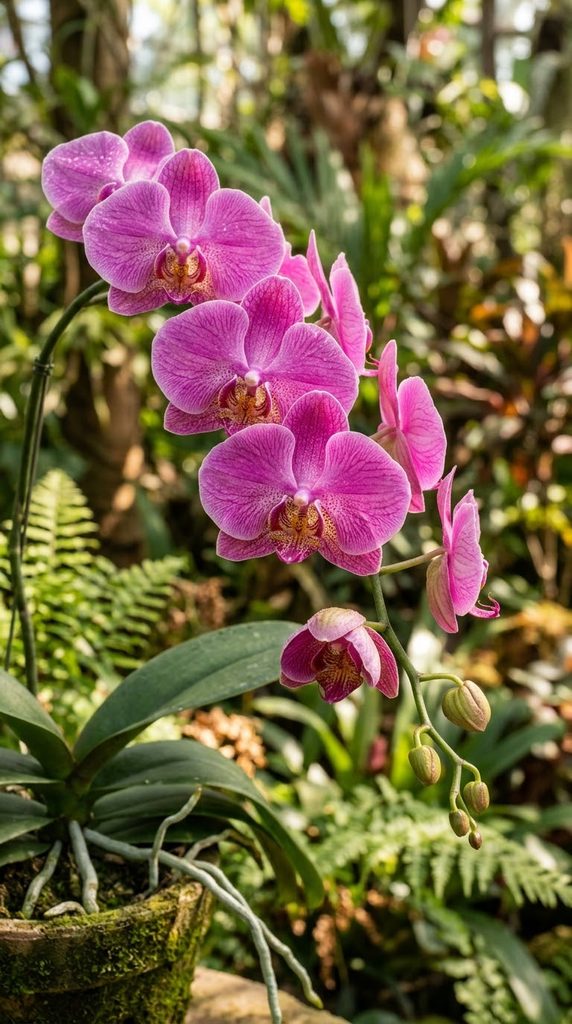
In this guide, we will look at the claims about using lemon for orchids and share simple, practical tips for caring for your indoor plants.
1. Can Lemons Help Orchids? Understanding the Benefits
Lemons are rich in vitamin C and contain natural citric acid. They also have small amounts of minerals, including potassium and calcium. Because of these nutrients, some people believe lemon juice can help improve plant health.
Citric acid can lower the pH of water or soil. However, orchids need the right growing conditions to absorb nutrients properly. Most popular indoor orchids, such as Phalaenopsis orchids, grow best in a suitable orchid potting mix rather than regular garden soil.
Some gardeners use lemon-based home remedies to deal with mineral deposits caused by hard water. However, lemon juice is not a proven orchid fertilizer, and using too much can harm the roots.
If your orchid is looking weak, focus on proper watering, good drainage, enough indirect sunlight, and a suitable orchid fertilizer. These simple plant care steps can help support healthy roots and encourage beautiful blooms.
2. Understanding What Orchids Need to Grow Well
Orchids are different from many common houseplants. Most popular indoor orchids naturally grow on trees instead of growing in regular soil. Their roots are often exposed to the air, which helps them absorb moisture and stay healthy.
Because of this, orchids need special care to grow properly. They do best in a loose, well-draining potting mix that allows air to reach their roots. A mix made for orchids usually contains materials such as bark, moss, or other suitable growing materials.
Orchids also enjoy good humidity and bright, indirect sunlight. Direct afternoon sunlight can be too strong and may damage their leaves.
The growing medium should have a slightly acidic pH, although the ideal range can vary depending on the orchid type. If the growing conditions are not suitable, you may notice yellow leaves, weak roots, or slow growth.
To keep your orchid healthy, choose the right potting mix, avoid overwatering, and provide enough light and airflow. These basic orchid care tips can make a big difference in the long-term health of your plant.
3. How Does Lemon Juice Affect Orchids?
Lemon juice contains citric acid, which can lower the pH of water or a growing medium. This is why some gardeners believe it may help create better growing conditions for orchids.
However, changing the pH does not always mean a plant will become healthier. Orchids need a balanced growing environment to absorb nutrients properly. Too much acidity can damage their roots and make it harder for them to take up essential nutrients.
Lemons also contain vitamin C, potassium, and small amounts of calcium. These nutrients are important in plant biology, but lemon juice does not provide them in the right amounts to replace a proper orchid fertilizer.
For healthy orchid growth, it is better to use a fertilizer made specifically for orchids. Follow the product instructions and avoid adding strong homemade mixtures directly to the roots.
Understanding your orchid’s growing needs is a safer way to support healthy leaves, strong roots, and new flowers.
4. Preparing a Lemon Solution for Orchids
Some online gardening tips suggest mixing fresh lemon juice with water to create a solution for orchids. However, there is no reliable evidence that this mixture can revive a weak orchid or improve its growth.
Lemon juice is acidic, and its strength can vary from one lemon to another. Even when mixed with water, it may be too acidic for delicate orchid roots.
If your goal is to improve your orchid’s health, avoid spraying lemon juice directly onto its leaves, flowers, or roots. Instead, use clean water and a suitable orchid fertilizer according to the product instructions.
You can also use a clean spray bottle filled with plain water to lightly increase humidity around the plant when needed. Avoid leaving water sitting in the center of the leaves, as this can encourage rot.
A little attention to watering, humidity, light, and proper plant nutrition is a safer way to care for your orchid.
5. How to Apply a Lemon Solution to Orchids
Some gardening guides recommend spraying diluted lemon juice onto orchid roots and potting mix. However, this method has not been proven to improve orchid health. Lemon juice can be too acidic for delicate roots, even when mixed with water.
It is best to avoid applying lemon juice directly to the roots, growing medium, or leaves. Instead, use clean water when watering your orchid and allow extra water to drain freely from the pot.
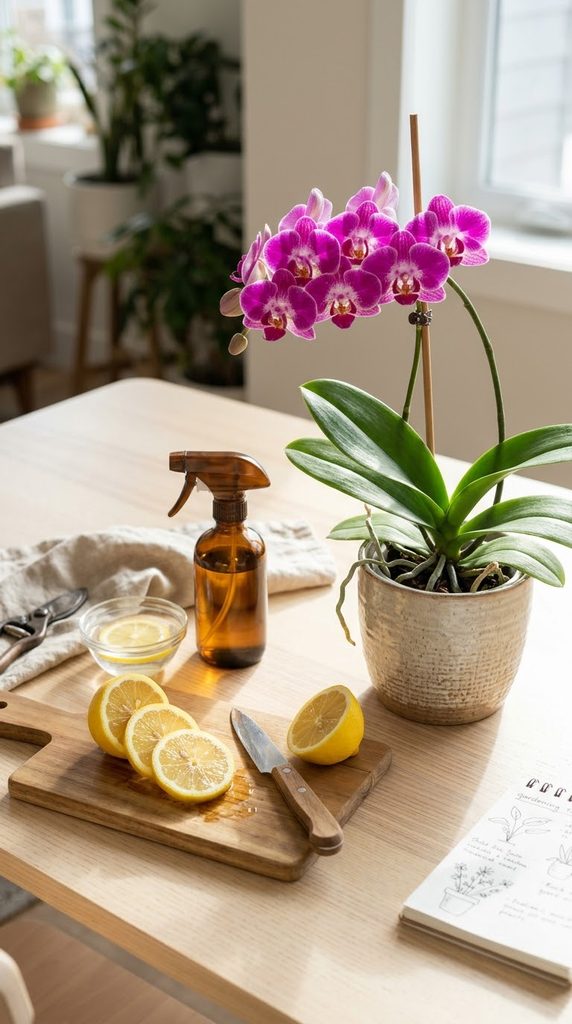
If your orchid has aerial roots growing outside the pot, do not worry. These roots are a normal part of orchid growth. They absorb moisture from the surrounding air and help support the plant.
You can lightly mist the surrounding area to increase humidity if needed, but avoid keeping the roots constantly wet. Good airflow and proper watering are important for preventing root damage.
For better results, use a balanced orchid fertilizer and follow the recommended application instructions. This will provide more reliable plant nutrition than homemade lemon mixtures.
6. How Often Should You Care for Your Orchid?
Orchids need regular care, but they do not need to be treated with lemon juice every two weeks. There is no proven schedule for using lemon water on orchids, and frequent use may damage their delicate roots.
Instead, create a simple orchid care routine. Check the potting mix and roots regularly to decide when your plant needs water. Most indoor orchids should be watered when their growing medium is nearly dry, rather than following a strict daily schedule.
Morning is usually a good time to water your orchid. This gives any water left on the leaves time to dry during the day. Try to avoid watering during very hot conditions or leaving the plant in direct sunlight.
For healthy growth, feed your orchid with a suitable orchid fertilizer according to the label instructions. Also, provide bright, indirect light and good air circulation.
A regular care routine can help keep your orchid healthy and support new leaf and flower growth.
7. Common Orchid Care Mistakes to Avoid
Taking care of orchids does not have to be difficult, but a few common mistakes can affect their growth. Knowing what to avoid can help keep your indoor plants healthy.
1. Using Too Much Lemon Juice
Lemon juice is naturally acidic. Applying it directly to orchid roots or potting mix may cause damage. It is better to avoid using lemon juice as a homemade plant treatment.
2. Applying Homemade Mixtures Too Often
Using different homemade mixtures on your orchid can sometimes do more harm than good. Too much acidity or other substances may affect the growing medium and delicate roots.
3. Overwatering the Plant
Orchids do not like sitting in water. Too much moisture can cause root rot and yellow leaves. Always use a pot with drainage holes and allow excess water to escape.
4. Using the Wrong Potting Mix
Regular garden soil is not suitable for most popular indoor orchids. Choose a well-draining orchid potting mix that allows air to reach the roots.
5. Giving Too Much Direct Sunlight
Strong sunlight can burn orchid leaves. Place your plant near a bright window where it receives plenty of indirect light.
Avoiding these common mistakes and following a simple plant care routine can help your orchid grow stronger and produce beautiful flowers.
8. Long-Term Orchid Care for Healthy Growth
Keeping an orchid healthy takes more than a quick home remedy. Regular care and the right growing conditions are important for strong roots, fresh leaves, and beautiful flowers.
Although some gardeners recommend lemon juice for plant care, there is no strong scientific evidence that it can improve orchid growth or prevent nutrient problems. It should not replace a proper orchid fertilizer or regular plant care.
For long-lasting results, keep these simple tips in mind:
- Use the right fertilizer: Choose a balanced fertilizer made for orchids and follow the instructions on the label.
- Water carefully: Water your orchid when the potting mix is nearly dry. Never leave its roots sitting in water.
- Provide enough light: Keep your plant in a bright location with indirect sunlight.
- Maintain good humidity: Orchids generally enjoy a humid environment, but their roots also need good airflow.
- Check the roots regularly: Healthy roots are important for absorbing water and supporting new growth.
- Replace old potting mix: Refresh the growing medium when it starts to break down or no longer drains properly.
With proper watering, suitable plant nutrition, and the right indoor growing conditions, your orchid can stay healthy and reward you with beautiful blooms over time.
9. Lemon Juice vs. Other Home Remedies for Orchids
Many plant lovers look for simple home remedies to improve the health of their indoor plants. Lemon juice, vinegar, and coffee grounds are sometimes suggested as natural options for plant care. However, not every household ingredient is suitable for orchids.
Here is a closer look at these common remedies.
Lemon Juice
Lemon juice contains citric acid, which can lower the pH of water. However, its acidity can vary, making it difficult to control. Using it on orchid roots may cause damage, so it is not a recommended substitute for orchid fertilizer.
Vinegar
Vinegar is also acidic and can change the pH of water or a growing medium. However, applying it directly to orchid roots can be harmful. It is best to avoid using vinegar as a homemade orchid treatment.
Coffee Grounds
Coffee grounds contain small amounts of nutrients, but they are not an ideal fertilizer for orchids. They can hold moisture, affect airflow, and break down inside the growing medium.
Which Option Is Best for Orchids?
Rather than experimenting with kitchen ingredients, choose a fertilizer specially made for orchids. It provides more balanced plant nutrition and is easier to use when you follow the manufacturer’s instructions.
For healthy orchid growth, focus on proper watering, good drainage, bright indirect light, and suitable growing conditions. These basic steps are more reliable than untested home remedies.
10. What Do Orchid Experts Say About Lemon Juice?
Many orchid lovers enjoy trying simple home remedies to care for their plants. Lemon juice is sometimes mentioned in gardening discussions because it contains citric acid, which can lower the pH of water.
However, personal experiences are not the same as scientific evidence. There is currently no reliable proof that applying lemon juice to orchids improves their health, produces more flowers, or prevents common plant problems.
Good orchid care starts with understanding what the plant needs. Experienced growers generally focus on proper watering, suitable potting materials, enough indirect light, and balanced orchid fertilizer.
If your orchid is losing leaves or has weak roots, it is better to find the cause before trying a home remedy. Overwatering, poor drainage, and unsuitable growing conditions are common problems worth checking.
Following reliable orchid care advice can help you avoid unnecessary treatments and give your plant a better chance to grow and bloom.
11. Frequently Asked Questions About Lemon and Orchids
Here are some common questions about using lemon juice for orchid care.
Q1. Can I use bottled lemon juice instead of fresh lemon juice?
It is better to avoid both fresh and bottled lemon juice as an orchid treatment. Bottled products may also contain additional ingredients, and lemon juice has not been proven to improve orchid health.
Q2. How do I know if my orchid needs special care?
Yellow leaves, weak roots, and a lack of flowers can be signs that something is wrong. Check the roots, watering routine, potting mix, and lighting conditions to find the possible cause.
Q3. Is lemon juice safe for all types of orchids?
Lemon juice is not a recommended treatment for any orchid variety. Different orchids have different growing needs, and their roots can be sensitive to changes in acidity.
Q4. Can lemon juice help an orchid produce more flowers?
There is no reliable scientific evidence that lemon juice encourages orchids to bloom. Proper lighting, suitable watering, and balanced orchid fertilizer are better ways to support flowering.
Q5. What is the best way to revive a weak orchid?
Start by checking the roots and removing any dead or rotten parts with clean, sterilized tools. Use fresh orchid potting mix if needed, provide bright indirect light, and water carefully. Give the plant time to recover.
Q6. How often should I fertilize my orchid?
Follow the instructions on your orchid fertilizer. Avoid applying more than the recommended amount, as excess fertilizer can damage delicate roots.


